
Hard Water in Orland Park, IL: A Residential Plumber's Guide for Homeowners
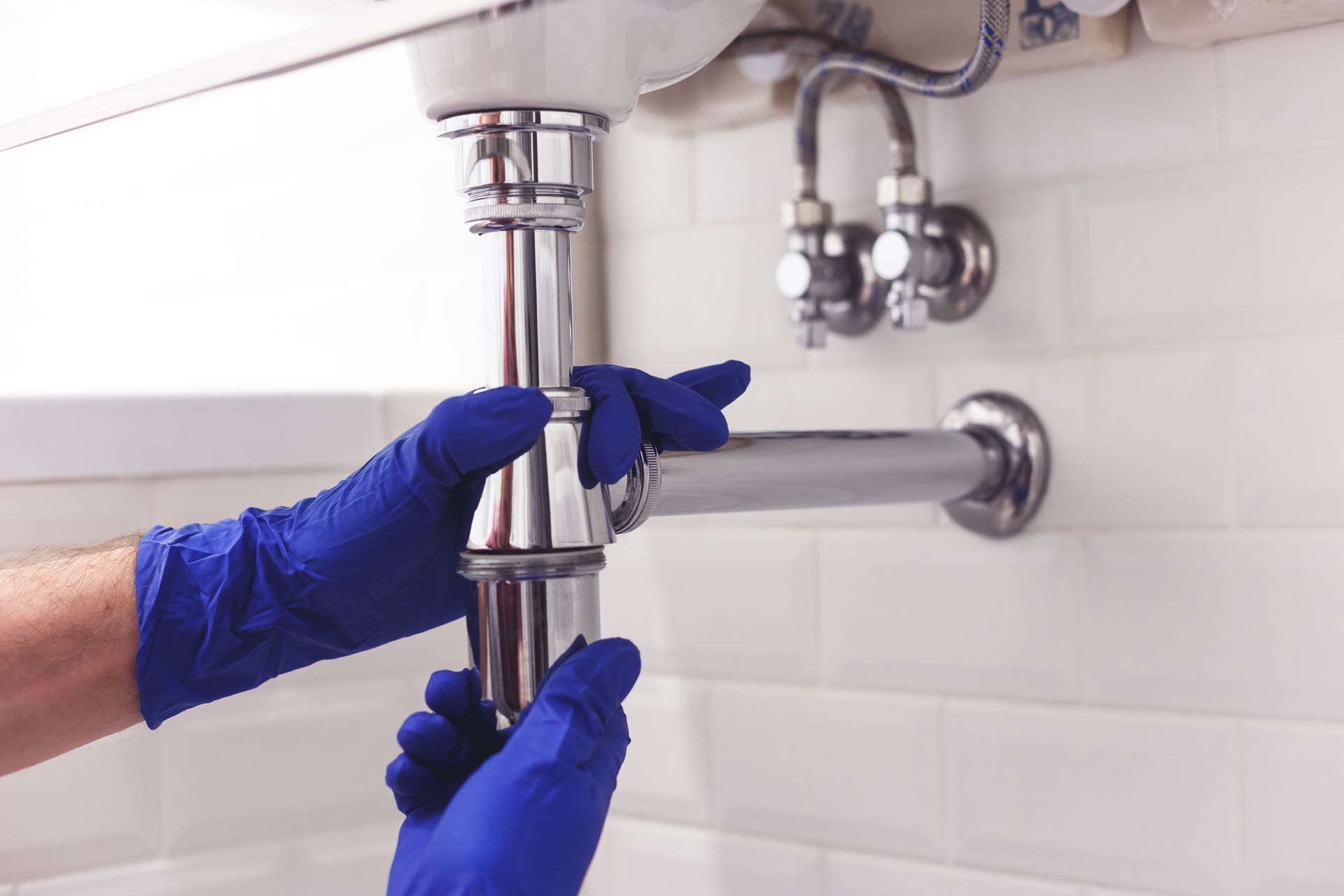
Hard water is one of the most common and least talked-about threats to home plumbing in the south suburbs, and Orland Park, IL, homeowners are not immune. If you have noticed chalky buildup on faucets, spotted film on your dishes, or felt your water heater struggling to keep up, your home may be dealing with hard water effects right now. A qualified residential plumber can help you understand what is happening inside your pipes before minor buildup turns into a costly repair.
What Is Hard Water and Why Does It Affect Orland Park Homes?
Hard water carries elevated levels of dissolved minerals, mainly calcium and magnesium. Orland Park receives its water supply from the City of Chicago via the Village of Oak Lawn, which draws from Lake Michigan. This hardness stems from the geological foundation beneath northern Illinois. Ancient limestone bedrock and glacial deposits left calcium and magnesium-rich sediments throughout the region, and as water moves through these layers, it picks up those minerals before reaching your tap.
Orland Park experiences moderate to high water hardness. The water meets regulatory safety standards, but its mineral content creates real problems inside your home's plumbing over time. A residential plumber can assess how much damage has already occurred and recommend the right course of action.
What Are the Signs You Have Hard Water in Your Home?
Hard water leaves clues throughout the house. Orland Park, IL, homeowners often spot the problem in everyday situations before identifying the source.
Common signs include white or yellowish scale around faucet aerators and showerheads, spots and film on glassware and stainless steel sinks even after washing, soap that does not lather easily and leaves residue on skin or hair, reduced water pressure from fixtures that previously flowed normally, and a water heater that takes longer to heat up or runs less efficiently than before.
If two or more of these sound familiar, your plumbing is likely experiencing early mineral accumulation. A residential plumber can confirm the cause and help you understand your options.
How Hard Water Damages Fixtures, Water Heaters, and Pipes
Hard water causes damage gradually, which is why many homeowners do not connect the source to the problem until repairs are already needed.
Fixtures and Appliances
Mineral deposits clog aerators and dishwasher spray arms, reducing efficiency and shortening the useful life of appliances. Hard water also reduces the effectiveness of soaps and detergents throughout the home.
Water Heaters
Sediment settles at the bottom of water heater tanks, forcing the heating element to work through a layer of minerals. Cold Illinois winters push water heaters harder and longer, increasing wear on heating elements, thermostats, and pressure relief valves. For Orland Park homeowners, this combination can mean water heater failure years ahead of schedule.
Pipes
Scale buildup inside pipes narrows their internal diameter over time, reducing water pressure and making clogs more likely. In older neighborhoods like Hunters Chase or Silver Lake, where pipes may already have some age on them, hard water accelerates this narrowing. Having a residential plumber evaluate your supply lines is a smart step for any home with a history of hard water exposure.
Prevention Tips That Can Help Protect Your Plumbing
A few proactive steps can reduce the long-term impact of hard water on your home. Installing a whole-home water softener treats water before it reaches your pipes, fixtures, and appliances. Flushing your water heater tank annually removes settled sediment and improves efficiency, which alone can extend the unit's useful life noticeably. Cleaning faucet aerators and showerheads every few months clears mineral buildup before it hardens, and running a vinegar solution through dishwasher spray arms dissolves calcium deposits. Scheduling routine plumbing maintenance helps catch narrowing or buildup in supply lines early.
Can a Water Softener Really Make a Difference?
Yes. Water softeners use an ion exchange process to swap calcium and magnesium ions for sodium ions before water reaches your pipes. The result is water far less likely to leave scale on fixtures or accumulate inside your water heater. A licensed residential plumber in Orland Park, IL, can evaluate your water supply and recommend the right system size and type for your household.
How Often Should I Have My Plumbing Inspected if I Have Hard Water?
Most plumbing professionals recommend inspecting homes with known hard water issues at least once a year. Residential plumbing maintenance in Orland Park, IL, typically covers water lines, drains, water heaters, and sump pumps. Routine checks identify small issues before they become costly repairs. For a home that has gone several years without a professional inspection, a first visit may reveal a surprising amount of buildup already affecting performance. Working with a trusted residential plumber on a consistent inspection schedule is one of the most effective ways to stay ahead of hard water damage.
Ready to Protect Your Orland Park Home From Hard Water Damage?
Hard water is a manageable problem when you know what to look for and who to call. Southtown Plumbing & Sewer Service, Inc. provides residential plumbing services throughout Orland Park and the surrounding south suburbs, helping homeowners stay ahead of the damage that mineral buildup can cause. Whether you need a water heater inspection, a pipe assessment, or guidance on water softener options, the team is ready to help.
Call (708) 633-7350 today to schedule your service, or contact us online to request your free estimate. You can also find Southtown Plumbing & Sewer Service, Inc. on Google to read reviews from your Orland Park neighbors.



